Traveling from Mirissa to Ella involves a long inland journey from Sri Lanka’s southern coastline to the central hill country. Instead of completing this route as a direct drive or standard Mirissa to Ella taxi, this experience combines long-distance transport with a guided Udawalawe National Park safari, allowing travelers to use the travel day more purposefully. The route is designed to balance efficient onward travel with a structured wildlife experience, rather than treating the day as a simple point-to-point transfer.
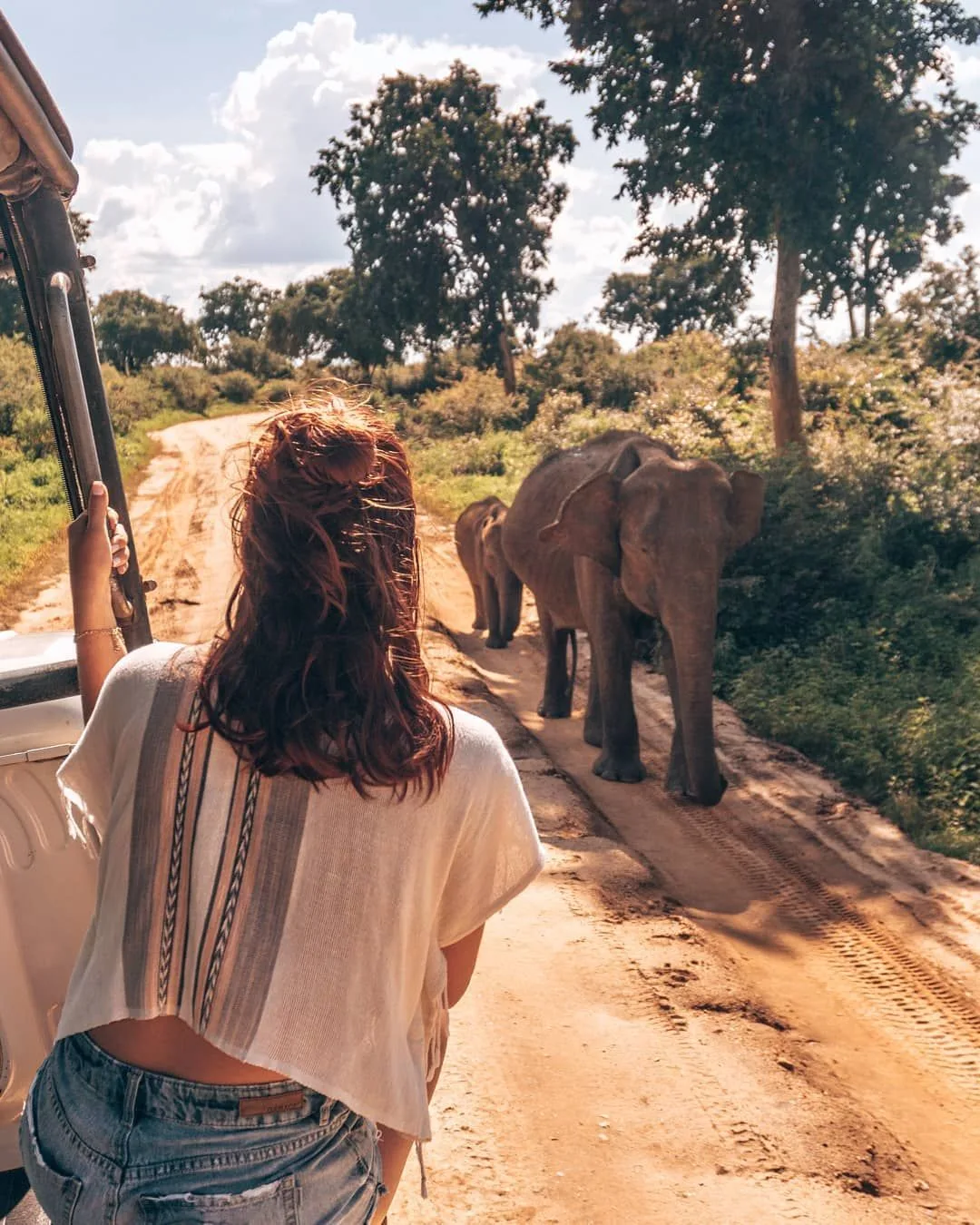
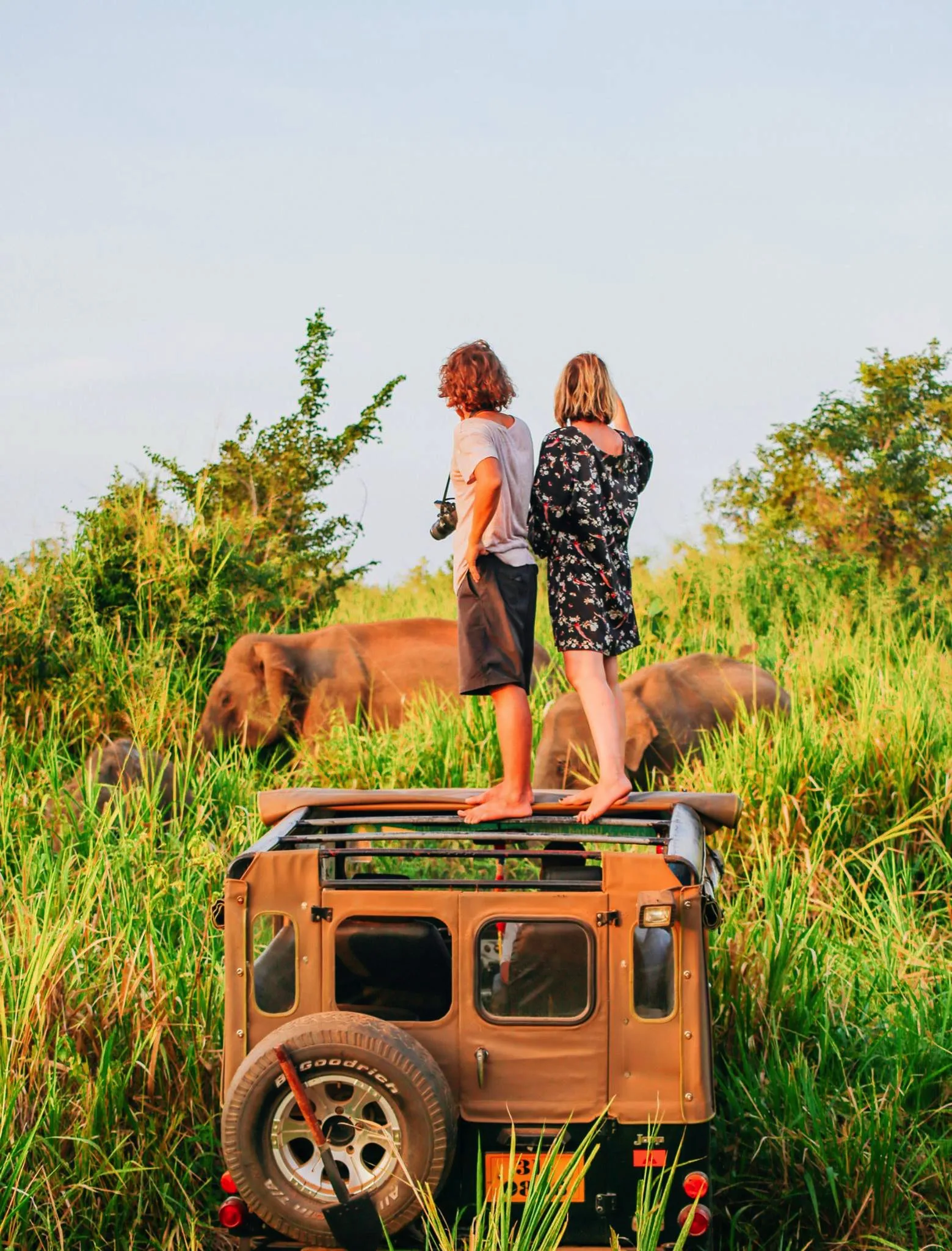
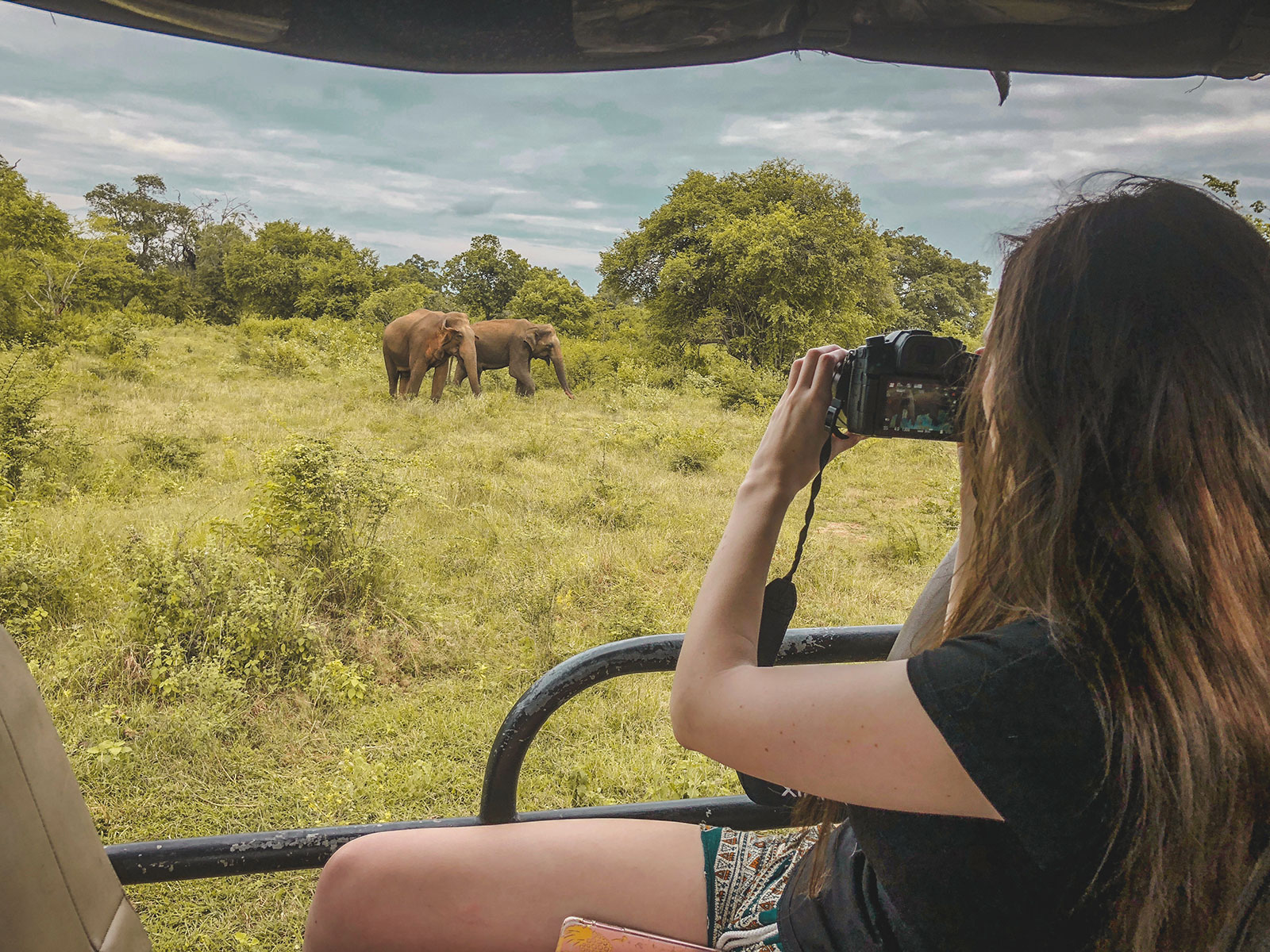
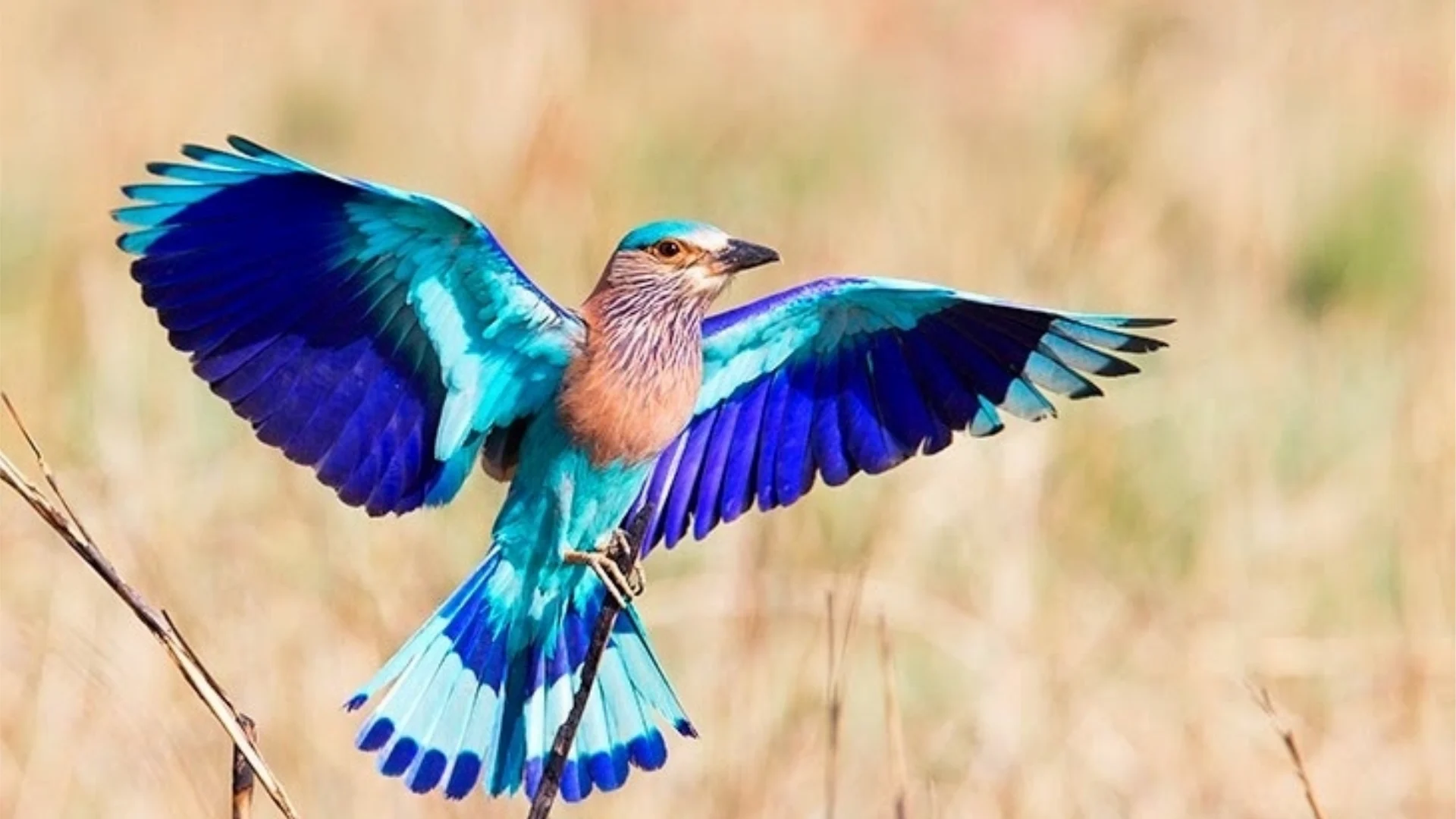
The journey begins in Mirissa with an early departure, timed according to the selected safari option. Guests can choose between Sunrise Safari (3:45 AM), Shared Morning Safari (5:00 AM), Private Safari (5:30 AM or 11:30 AM), or the more flexible Signature Safari, available across all time slots. After traveling inland, guests enter Udawalawe National Park in a dedicated 4×4 safari jeep. The safari focuses on open grasslands, reservoir edges, and forest corridors where elephants are frequently seen, along with buffalo, deer, crocodiles, monkeys, and birdlife. Earlier departures generally offer cooler conditions and quieter park tracks, while later options suit travelers who prefer a more relaxed start.
Once the safari concludes, the journey continues toward Ella, gradually transitioning from dry-zone landscapes into greener hill-country terrain. By combining getting from Mirissa to Ella with a guided safari, the experience removes the need to arrange separate transport and park logistics. It is well suited for travelers who want a well-paced day that connects wildlife exploration with direct arrival in Ella, rather than completing the route as an uninterrupted road journey.
Depending on the chosen safari option, guests are picked up from Mirissa hotels in the early hours of the morning. The journey begins inland toward Udawalawe National Park.
Upon arrival, guests board a 4×4 safari jeep and begin the guided safari. The route covers grasslands, reservoir edges, and forest corridors, with stops made at active wildlife zones. Guides adjust movement based on sightings and conditions.
After completing the safari, guests exit the park and take a short break before continuing the journey toward the hill country.
The drive continues through interior towns and gradually rising terrain, reaching Ella later in the day. Drop-off is provided at Ella hotels or designated locations.
The distance from Ella to Udawalawe National Park is approximately 90 km. By road, the journey usually takes around 2.5 to 3 hours, depending on traffic, weather conditions, and the route used. This travel time makes Udawalawe a convenient safari option for travelers planning a Udawalawe safari from Ella, especially when combined with early-morning or mid-day safari departures.
Traveling from Mirissa to Udawalawe can be done by private car, taxi, or shuttle service. The journey covers approximately 100 km and typically takes around 2 to 3 hours, depending on traffic, road conditions, and weather. For travelers looking to make the journey more meaningful rather than purely logistical, a private shuttle that includes a guided Udawalawe National Park safari is a popular option. This approach combines transport with wildlife exploration, allowing travelers to reach Udawalawe and experience the park as part of the same route instead of arranging transport and safari separately.
The distance between Ella and Mirissa is approximately 170 km. Traveling by road usually takes around 3 to 4 hours, depending on traffic conditions, the route taken, and any stops made along the way. As the journey connects Sri Lanka’s hill country with the southern coastline, travel time can vary slightly based on terrain and road conditions, whether you are getting from Mirissa to Ella or traveling in the opposite direction.
Udawalawe National Park is open daily from 6:00 AM to 6:00 PM. Safaris are typically conducted during the morning and late afternoon hours, which are ideal for wildlife sightings, especially elephants, when animals are most active.
For your Udawalawe National Park safari from Mirissa shuttle transfer stop, wear lightweight, breathable clothing in neutral or earthy tones to blend with the natural surroundings. Comfortable walking shoes or sneakers with good grip are recommended for uneven terrain, and a light jacket or layer is useful for early morning or late afternoon safaris. Avoid bright colors that might startle wildlife, and bring a hat or cap for sun protection. Sunglasses are also helpful, and breathable fabrics will keep you comfortable during the day under the tropical sun.
For your Udawalawe National Park safari from Mirissa shuttle transfer stop, pack essentials like a hat and sunglasses for sun protection, sunscreen, a camera or smartphone to capture wildlife, and binoculars to get a closer look at wildlife if you have them. Carry extra cash for park entrance fees as it is not included in the shuttle transfer, souvenirs, or other personal expenses. A water bottle is also recommended to stay hydrated, and a small backpack can help keep your belongings organized and hands-free during the safari.
The best season to visit Udawalawe National Park is from June to October, during the dry months when water levels are low and animals gather around reservoirs, making sightings more frequent and rewarding.
Early morning safaris (around 6:00 AM) offer cool air, soft golden light, and a higher chance to spot active elephants and birdlife. Afternoon safaris (around 2:30 PM to 6:00 PM), on the other hand, reveal the park’s warm hues and often feature herds gathering near the water for their evening drink — both offering a different yet equally enchanting Udawalawe experience.
For your Ella to Mirissa with safari shuttle service, you can choose between two vehicle categories depending on your group size: a mini MPV or small van for up to 3 passengers, or a commuter/mini bus for groups of up to 7 passengers.
In case of adverse weather conditions, we may need to reschedule the tour or adjust the itinerary depending on the conditions. Your safety is our priority, and we want to make sure that the conditions are safe for traveling.
You cannot copy content of this page